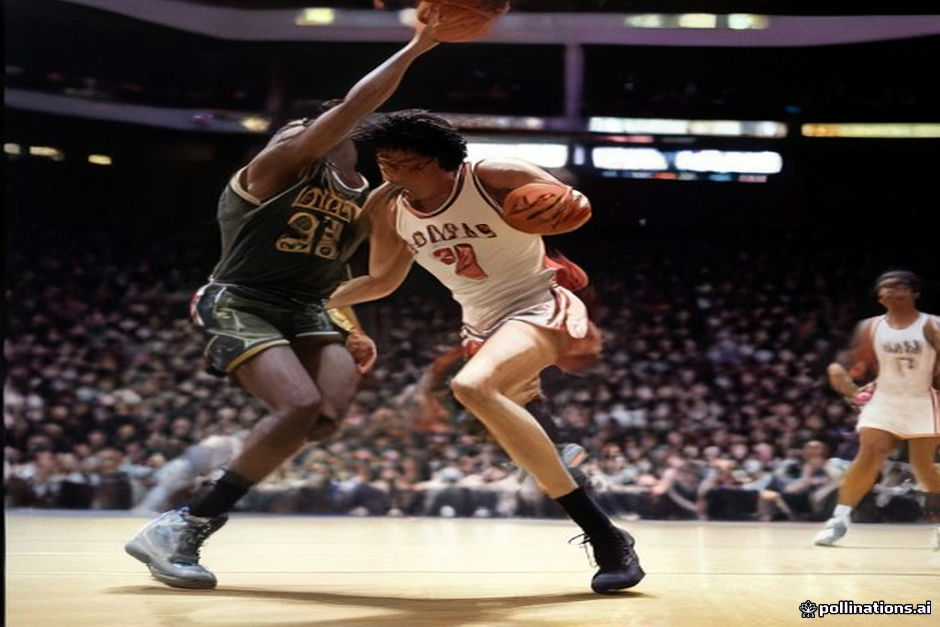
When discussions turn to the most mesmerizing and stylish guards in the history of professional basketball, Earl Monroe stands in a league of his own. Affectionately nicknamed “The Pearl” or “Black Jesus” during his playing days, Monroe revolutionized the game with his playground-inspired spin moves, unorthodox jump shots, and unmatched flair. Beyond his induction into the Naismith Memorial Basketball Hall of Fame and being named one of the 50 greatest players in NBA history, fans and sports analysts frequently wonder about earl the pearl monroe net worth. While athletes of his era earned a fraction of today’s multi-million-dollar max contracts, Monroe carved out a financially secure life through savvy investments, business acumen, and post-retirement ventures. In this comprehensive breakdown, we examine the fortune built by one of basketball’s true cultural icons, analyzing his earnings, assets, and enduring financial legacy.
Early Life and Basketball Beginnings
Born Vernon Earl Monroe on November 21, 1944, in Philadelphia, Pennsylvania, young Earl grew up navigating the vibrant basketball culture of the City of Brotherly Love. Like many urban legends of his era, Monroe honed his craft on the asphalt courts of Philadelphia, where playground style met fierce competition. His unique ball-handling skills, creativity, and scoring touch were forged in these high-stakes local games.
Despite not being heavily recruited out of John Bartram High School, Monroe attended Winston-Salem State University in North Carolina. Under legendary coach Clarence “Big House” Gaines, Monroe exploded onto the collegiate scene. During his senior year in 1967, he averaged an astonishing 41.5 points per game and led Winston-Salem State to the NCAA Division II national championship. This historic collegiate run not only cemented his status as an elite prospect but also set the stage for a lucrative professional career that would eventually lay the groundwork for his future wealth.
Professional Basketball Career and Salary Evolution
The Baltimore Bullets selected Monroe with the second overall pick in the 1967 NBA Draft. He immediately electrified the league, winning the NBA Rookie of the Year award for the 1967–68 season after averaging 24.3 points per game. His partnership with Wes Unseld turned the Bullets into formidable contenders, culminating in an appearance in the 1971 NBA Finals.
In late 1971, Monroe was traded to the New York Knicks, where he formed one of the most dynamic backcourt duos in NBA history alongside Walt “Clyde” Frazier. Known as the “Rolls Royce Backcourt,” Frazier and Monroe led the Knicks to an NBA Championship in 1973. While his initial rookie contracts and veteran salaries during the late 1960s and 1970s pale in comparison to modern player salaries—where rookie stars often pull in tens of millions—Monroe still commanded top-tier compensation for his era, earning hundreds of thousands of dollars annually during his peak years.
To put sports wealth and financial growth into a broader perspective, many contemporary sports figures and entrepreneurs manage sprawling portfolios that rival corporate executives, much like the impressive wealth highlighted in analyses such as pogacar net worth. While Monroe played in an era before billion-dollar television rights deals transformed athlete compensation, his hardwood earnings provided the foundational capital for his later business endeavors.
Diversified Income Sources and Business Ventures
Like many pioneers of professional sports, Monroe understood that a playing career has a strict expiration date. Long before sneakers and streetwear became billion-dollar global industries, Monroe was already looking toward entrepreneurship. After hanging up his basketball sneakers in 1980, he transitioned seamlessly into the business world.
Monroe established successful commercial enterprises, including a record label and various clothing and sports apparel ventures. He also invested heavily in real estate holdings across the New York metropolitan area, a smart move that generated steady passive income and long-term capital appreciation. Furthermore, Monroe worked as a television analyst and commentator for sports networks, maintaining a steady stream of media income.
Navigating the transition from athlete to business mogul requires strategic planning and intelligent asset management, principles mirrored in the financial successes documented in stories like ron shurts net worth. Monroe’s ability to diversify his revenue streams beyond basketball ensured that his wealth continued to grow long after his retirement whistle blew.
Estimated Wealth Progression
Calculating celebrity wealth often involves analyzing a combination of career earnings, investment returns, business valuations, and real estate holdings. Because private financial records are not fully public, figures regarding prominent historical figures remain reasonable estimates based on available historical data.
Decade / Year
Estimated Net Worth
Source / Primary Notes
1970s (Playing Era)
$1 Million – $2 Million
NBA salaries, early endorsements, and initial savings.
1990s (Post-Retirement)
$3 Million – $5 Million
Broadcasting contracts, real estate investments, and apparel businesses.
2010s
$8 Million – $12 Million
Appreciation of real estate portfolio, business ventures, and NBA pension.
Present Day
$10 Million – $15 Million
Cumulative business earnings, media appearances, and legacy licensing.
Assets, Real Estate, and Philanthropy
Monroe’s financial portfolio includes significant real estate holdings, particularly in and around New York City, where he spent his most celebrated championship years with the Knicks. Property ownership in prime urban markets has historically served as one of the most reliable wealth preservation tools for retired professional athletes.
In addition to physical real estate and business equity, Monroe enjoys a robust pension and healthcare package provided by the NBA and the National Basketball Players Association (NBPA), benefits that were hard-fought by pioneers of his generation to support retired players.
Beyond personal accumulation, Monroe has dedicated substantial time and financial resources to philanthropic causes. He has been actively involved in mentoring youth programs, supporting educational initiatives, and contributing to community development projects in Philadelphia and New York. His commitment to giving back highlights a holistic approach to wealth, where financial success is measured not only by accumulation but also by community impact.
Frequently Asked Questions About Earl Monroe
What was Earl Monroe’s highest NBA salary?
During his playing career in the 1960s and 1970s, max contracts did not reach tens of millions of dollars. Monroe’s peak playing salaries were in the low hundreds of thousands of dollars per year, which was considered elite compensation at the time.
Is Earl Monroe in the Basketball Hall of Fame?
Yes, Earl Monroe was inducted into the Naismith Memorial Basketball Hall of Fame in 1990 in recognition of his phenomenal collegiate and professional career.
What is earl the pearl monroe net worth today?
Current estimates place earl the pearl monroe net worth in the range of $10 million to $15 million, accumulated through his basketball career, successful business ventures, real estate investments, and media work.
Conclusion
Earl “The Pearl” Monroe remains a towering figure in basketball history, celebrated as much for his effortless style and clutch performances as for his championship rings. While financial landscapes in professional sports have evolved dramatically since he laced up his sneakers, Monroe’s post-career trajectory demonstrates astute financial stewardship, entrepreneurial vision, and long-term planning. Today, his enduring legacy on the court is matched by a secure financial foundation that cements his status as a true legend both on and off the hardwood.
Explore what it takes to achieve a great mega net worth, examining multi-million dollar fortunes, diverse income streams, assets, and wealth strategies.
Discover the complete breakdown of dee mula net worth, exploring his rap career, streaming revenues, record deals, luxury assets, and financial growth.